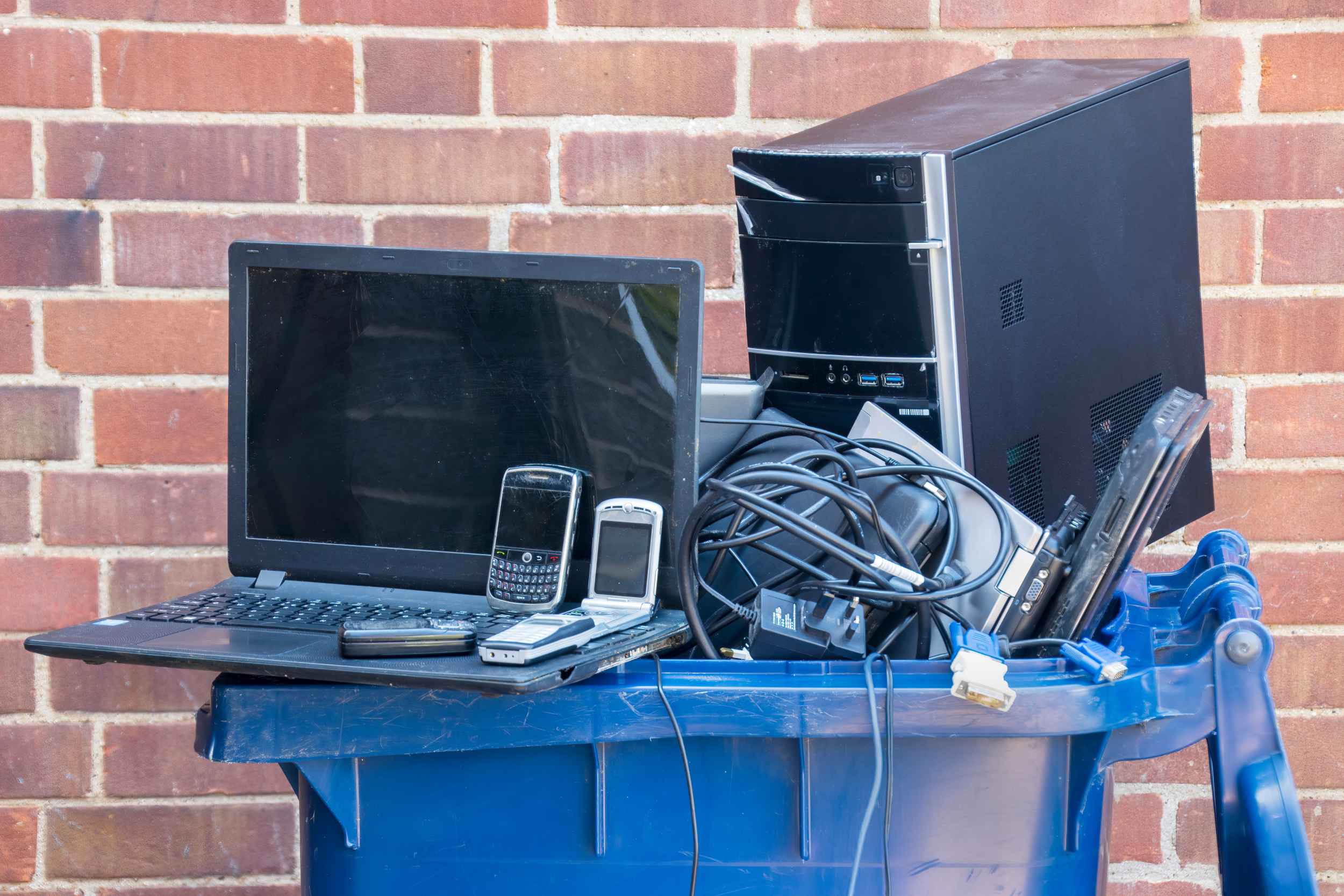
Office scrap refers to waste materials generated in an office environment, typically consisting of paper, plastics, and other similar items
Office scrap recycling is a crucial initiative that not only promotes environmental sustainability but also contributes to the responsible management of resources. In today’s corporate landscape, offices generate a significant amount of paper waste, electronic equipment, and other materials that can be recycled to reduce the overall environmental impact. Implementing a comprehensive office scrap recycling program involves the proper segregation and collection of recyclables, ensuring that materials such as paper, cardboard, and electronic waste are diverted from landfills. By adopting such practices, businesses not only demonstrate their commitment to eco-friendly operations but also play a pivotal role in fostering a greener and more sustainable future.
Beyond the environmental benefits, office scrap recycling can also have positive impacts on a company’s bottom line. Efficient recycling programs not only reduce waste disposal costs but also allow organizations to repurpose materials, leading to potential cost savings in procurement. Additionally, businesses embracing recycling practices often enhance their corporate image, showcasing a commitment to corporate social responsibility. Employees, clients, and stakeholders increasingly value companies that prioritize sustainability, making office scrap recycling not just an environmental necessity but a strategic business decision. By incorporating recycling into the workplace culture, businesses can contribute to a circular economy, minimize their ecological footprint, and create a positive impact on both the environment and their reputation.
At Urban Recycling, we lead the way in eco-friendly solutions, specializing in the responsible recycling of electronic waste for a cleaner, brighter future
Turn waste into value – Contact Urban Recycling for sustainable solutions and a greener future.
E-waste can lead to soil and water pollution, air contamination, and the release of hazardous substances, posing significant risks to the environment.
Recycling e-waste helps recover valuable resources, reduces the demand for raw materials, and prevents the improper disposal of hazardous components
Yes, individuals can contribute by responsibly disposing of their electronic devices at designated e-waste collection centers and supporting recycling initiatives.
E-waste recycling can create job opportunities, promote the growth of the recycling industry, and contribute to the circular economy by conserving resources.
Governments can enact and enforce e-waste management regulations, support awareness campaigns, and facilitate the development of recycling infrastructure through policy interventions.

Urban Recycling is a company dedicated to recycling and refurbishing electronic waste. We take old and unused electronics and give them a new life, helping to reduce pollution and save valuable resources. Our goal is to make the world cleaner and greener by managing e-waste in a safe and eco-friendly way.
Copyright © 2024 Webtrixz